|
| Steppe in spring |
On Saturday, May 2, we took a day trip to Korgalzhyn State
Nature Reserve, the largest preserve zone in Kazakhstan located about 160 km
northwest of Astana. The area has had a National park status since 1968 and in
2008 became one of the UNESCO World Heritage Sites but it still remains surprisingly
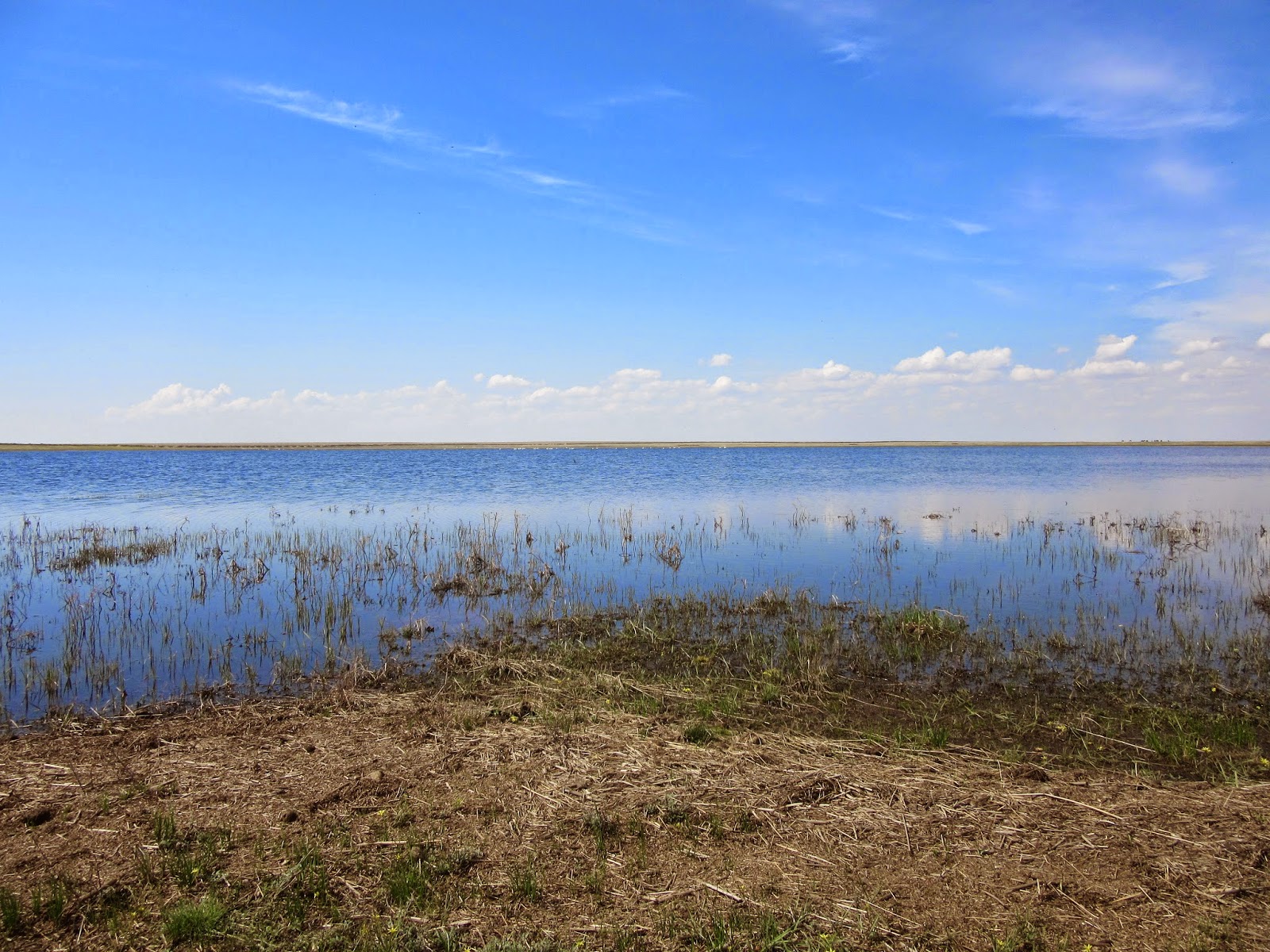
unknown, even within Kazakhstan. It is a combination of virgin steppe and
lakes, and wetlands and is a home to wolves, marmots and saiga. However the
main attraction is the birds including … pink flamingo! The first time I heard
that there are flamingo in Kazakhstan I didn't believe it! What?! Flamingo that
far north?! But the National park is located right on the crossroads of two
bird migration routs and it’s largest lake Tengiz is a final stop for the great
pink flamingo coming here for the summer from southeast Asia. They usually
come at the beginning of May and stay until the end of August. In that short
time they manage to raise a new generation of flamingos that are strong enough
to fly back to southeast Asia. This year, though, due to the late spring and
possibly flooding, the flamingos haven’t arrived yet. We’ll have to make another
trip sometime in the future to see them.
But even without the flamingos the trip was an exciting one.
It was organized by Association for the Conservation of Biodiversity of
Kazakhstan (
Link) specifically for NU faculty and their families. We totally took
advantage of this great opportunity. There were 15 of us plus our English speaking
guide and ecologist, Vera.
 |
| The long road to Korgalzhyn Nature Preserve Area |
We arrived at Korgalzhyn Aul (village) which is near the National park at about 10:30 in the morning. The roads there were in a really bad condition and what could have taken us a little over an hour on American freeways, took us two and a half hours and a very bumpy ride to get to our destination. On our way there we also saw some flooded areas. At one of the places MES (Ministry for Extreme Situations, kind of like 911 for nature disasters) set up some pumps to pump water from one side of the road on which there was a totally flooded village to another where they had just steppe.
 |
| Flooded barns |
 |
| Pumps that were pumping the excess water from this side of the road to the other. |
Once we arrived at Korgalzhyn aul we had a guided tour of
the National Park museum. It was a small but a very nice museum which had exhibits
of the wild life found in the area and also a history of the Korgalzhyn
National Park. After the tour we stopped by a little gift shop which had the crafts
made just by local kids. We were really impressed with one picture made out of
fish bones, so we bought it.
 |
| A view of the main hall of the musium |
 |
| A hall about wildlife in steppe. |
 |
| A little insect exhibit. We were told that unfortunately nobody really studies insects in Kazakhstan. |
 |
| This picture was made by one of the local kids out of fish bones! |
Our next stop was a lunch at a guest house – a home of a
local family who prepared a nice meal for us: manty (Kazakh dumplings filled
with meat), a couple of salads and baursak (kind of like a scone). And of
course tea. Kazakhs do not have any gathering without serving tea at some point!
We do not drink regular tea (but we love herbal tea), and so we politely
declined the offer and turned our energy to treats instead. I forgot the name
of our host but she was a super nice lady. She has 3 daughters one of whom was
helping her serving lunch, and so she was totally spoiling our girls making
sure they had plenty of candy to eat (reminded me of their babushka)! She said
she’s kept a guest house for 17 years now and loves all of the visitors that
come. There are a lot of students that come from different countries to study
birds there, so they stay with her.
 |
| The guest house |
 |
| Our yummy lunch. On the big plate in the middle is the manty, and a little further away is a plate with baursak. |
 |
| Our girls with their new "Kazakh babushka"! |
 |
| Getting ready to get back on the road. Those white covers are the protectors from ticks. |
After lunch we got back into our minibus, picked up a
National Park rep to get us through the park’s border and went to the park
making a few stops at the lakes to see some birds there. Our guide, Vera, had
some nice optical equipment with her, so we could watch the birds and animals without
getting too close to them and scaring them off. Some of the wild life we saw: grey
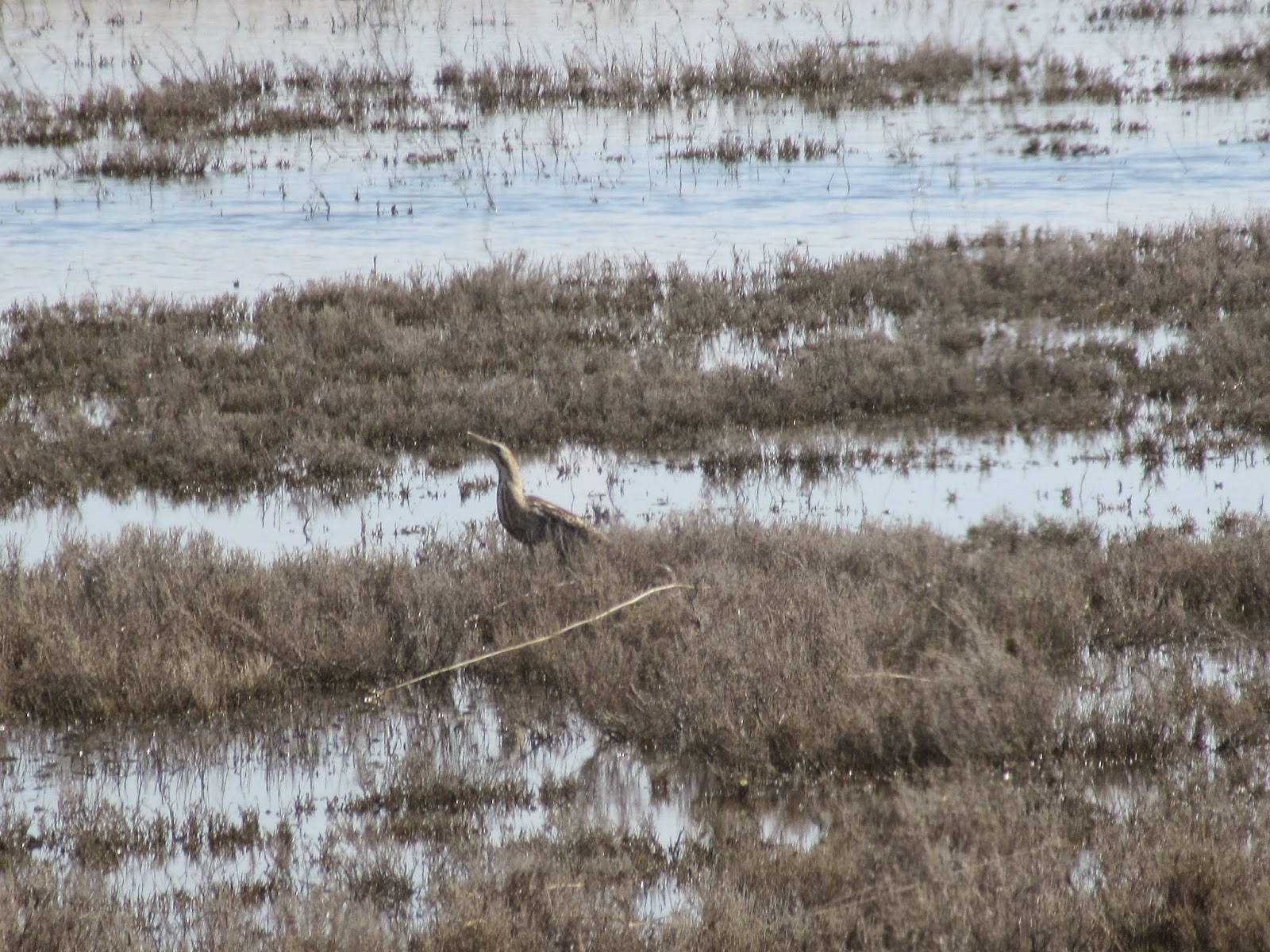
heron, two kinds of swans, demoiselle crane, dalmation pelican, bittern, gulls,
shelduck, great crested grebe, marsh harrier, swallow, steppe eagle, black
lark, yellow wagtail, and other birds along with gophers, ground hogs and even a
fox. And of course, the vast steppe, lots of
it! We were told that the soil is too salty to cultivate because of the lakes.
Half of the lakes in the park’s lake system are fresh water lakes but the other half is salty. In the summer the water level in the lakes are much lower, and
the salt from them is picked up by the wind and carried through the steppe.
 |
| One of the species of wild tulips. |
 |
| Spring came late this year, so the flowers are just barely starting to come up. |
 |
| Our girls! And our minibus in the background. |
 |
| Lexa is such a cutie! |
 |
| Going to see the swans up close. |
 |
| These are whooper swans. |
 |
| I don't know why but I just love this picture! |
 |
| Watching the wild life is much easier when you have the right equipment! There is Spencer talking to our guide-ecologist, Vera, about some birds. |
 |
| I spotted some horses on the other side of the lake. |
 |
| Stilt! |
 |
| I had no idea I would enjoy bird watching so much! |
 |
| A pair of demoiselle cranes |
 |
| Barn swallow |
 |
| Watching for gophers |
 |
| Found one! |
 |
| This one is a different kind of wild tulip. Beautiful! |
 |
| We found a lizard. |
 |
| Mute swan in all its beauty! |
 |
| A bittern. These are very hard to see. Our guide said that in 8 years of bird watching she has only seen them twice! So, we were very lucky to see one right there. |
 |
| A female marmot. |
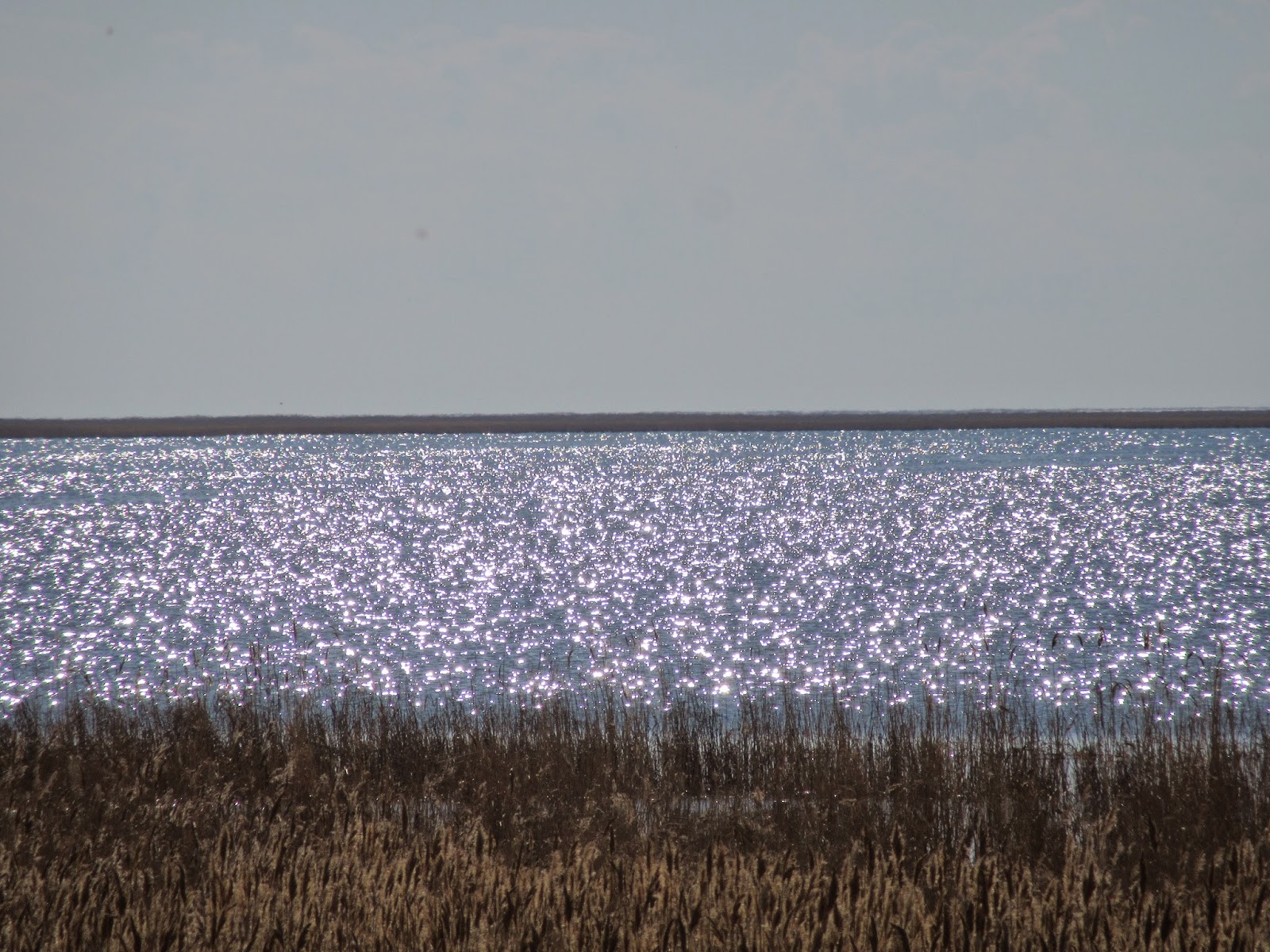
At our final stop at one of the lakes we had a picnic style
dinner, rested, and went back home arriving in Astana at about 9pm.
 |
| Our last stop of the day. Isn't this beautiful? |
 |
| The girls found some swings to play on |
 |
| And we found some frogs. Now, how many frogs can you see in there? I counted at least six! |
 |
| Watching for frogs off the pier that was destroyed by moving ice in early spring. |
 |
| Coming back home we saw some interesting cemeteries. |
 |
| Some are dated a few hundred years old and just about each one had a legend to go with the name of it. |
 |
| Exhausted Lexa and Sophie! |
It was a long but an awesome day, and we all learned a lot about the wildlife in steppes of Kazakhstan. Hopefully we can come back some time and see the famous pink flamingos.
 |
| A gorgeous sunset over the wetlands. We are fortunate to have such a beautiful view out of our window! |